

Μελλοντικό Σύστημα Μάχης FCAS - Έργο Τέχνης για το Ευρωπαϊκό Μαχητικό Έκτης Γενιάς
Η Γερμανία δεν έχει αναπτύξει ένα μαχητικό πλήρως εγχώρια εδώ και πάνω από 80 χρόνια από τον Δεύτερο Παγκόσμιο Πόλεμο, ενώ η τεράστια απόκλιση μεταξύ των ευρωπαϊκών τεχνολογιών και βιομηχανικών δυνατοτήτων και εκείνων της Κίνας και των Ηνωμένων Πολιτειών σήμαινε ότι ακόμη και όταν τα ευρωπαϊκά κράτη συνεργάζονταν στενά, τα ευρωπαϊκά κράτη δεν αναμενόταν να είναι σε θέση να παράγουν μαχητικά αεροσκάφη πλήρους επιπέδου. Εναλλακτικές λύσεις στο πρόγραμμα θα μπορούσαν να περιλαμβάνουν την απόκτηση μεριδίου εργασίας στο αμερικανικό πρόγραμμα μαχητικών F-47 έκτης γενιάς για την παραγωγή μιας προσαρμοσμένης τοπικής παραλλαγής ή την ένταξη στο Παγκόσμιο Πρόγραμμα Μάχης Αεροπορίας υπό βρετανική και ιαπωνική ηγεσία, γνωστό ως πρόγραμμα Tempest, κανένα από τα οποία δεν θα ήταν ιδανική λύση για την τοπική βιομηχανία. Σχολιάζοντας τα τρέχοντα ζητήματα με το πρόγραμμα, ο Γερμανός καγκελάριος Friedrich Merz παρατήρησε: «Συμμεριζόμαστε την εκτίμηση ότι η τρέχουσα κατάσταση δεν είναι ικανοποιητική. Δεν προχωράμε με αυτό το έργο». «Μιλάμε και οι δύο με τη γαλλική κυβέρνηση και θέλουμε μια λύση το συντομότερο δυνατό», πρόσθεσε.
Γερμανική Πολεμική Αεροπορία Eurofighter - Αεροσκάφος τέταρτης γενιάς που αναπτύχθηκε από κοινού με το Ηνωμένο Βασίλειο και την Ιταλία
Γερμανική Πολεμική Αεροπορία Eurofighter - Αεροσκάφος τέταρτης γενιάς που αναπτύχθηκε από κοινού με το Ηνωμένο Βασίλειο και την Ιταλία
Αναφορές για σημαντικές διαφωνίες μεταξύ Γαλλίας και Γερμανίας σχετικά με το μέλλον του προγράμματος FCAS εμφανίστηκαν για πρώτη φορά τον Ιούνιο, αν και η βιωσιμότητα του προγράμματος ήταν υπό σοβαρή αμφισβήτηση για χρόνια πριν. Οι διαφωνίες έχουν προκαλέσει σημαντικές καθυστερήσεις στην τρέχουσα φάση ανάπτυξης τεχνολογίας, σηματοδοτώντας την τελευταία από αρκετές περιπτώσεις εσωτερικών διαμαχών που παρεμποδίζουν την πρόοδο. Σχολιάζοντας το θέμα, ο επικεφαλής αεροπορικής ισχύος της Airbus Defence and Space, Jean-Brice Dumont, δήλωσε τον Ιούνιο: «Προφανώς, έχουμε παρατηρήσει σε αυτή τη φάση, δυσκολίες στην εκτέλεση και την αντιμετώπιση του προβλήματος, υπάρχουν διαφορετικοί τρόποι να το δούμε, διαφορετικοί τύποι δηλώσεων προβλημάτων. Πρέπει να προχωρήσουμε πιο γρήγορα. Νομίζω ότι αυτό είναι ένα βασικό σύνθημα του προγράμματος. Πρέπει να επιταχύνουμε». Ενώ «δεν σταματάμε, σκεφτόμαστε πώς να το κάνουμε διαφορετικά για να διασφαλίσουμε ότι θα επιτύχουμε τους προγραμματισμένους στόχους που μας έχουν θέσει τα έθνη», πρόσθεσε. Ο Dumont ανέφερε ζητήματα με τη «συνδεσιμότητα, τη διαλειτουργικότητα» ως πρωταρχικούς παράγοντες που εμπόδιζαν την πρόοδο.
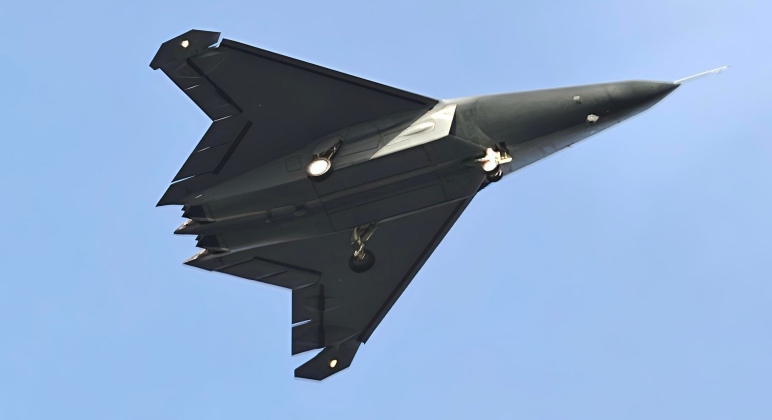
Κινεζικό πρόγραμμα επίδειξης τεχνολογίας βαρέων μαχητικών έκτης γενιάς
Κινεζικό πρόγραμμα επίδειξης τεχνολογίας βαρέων μαχητικών έκτης γενιάς
Το πρόγραμμα FCAS δεν αναμένεται να κατασκευάσει μαχητικό για πάνω από δύο δεκαετίες, με τον Διευθύνοντα Σύμβουλο της Dassault, Eric Trappier, να έχει παρατηρήσει ήδη από το 2021 ότι «[Ο στόχος του] 2040 έχει ήδη χαθεί, επειδή ήδη έχουμε κολλήσει, και οι συζητήσεις για την επόμενη φάση σίγουρα θα είναι επίσης μεγάλες... οπότε μάλλον στοχεύουμε στη δεκαετία του 2050». Το ευρωπαϊκό stealth μαχητικό αναμένεται επομένως να τεθεί σε υπηρεσία περίπου 20 χρόνια πίσω από τα αμερικανικά και κινεζικά μαχητικά έκτης γενιάς, και ενδεχομένως ακόμη αργότερα. Η απόκλιση μεταξύ των δυνατοτήτων των ευρωπαϊκών μαχητικών και εκείνων της Κίνας και των Ηνωμένων Πολιτειών συνέχισε να αυξάνεται ραγδαία, με την Κίνα να σημειώνει σημαντική πρόοδο προς την ανάπτυξη του πρώτου μαχητικού έκτης γενιάς στον κόσμο, και να έχει παρουσιάσει δύο ξεχωριστές κατηγορίες μαχητικών από την επόμενη γενιά, αμφότερες σε στάδια δοκιμών πτήσης τον Δεκέμβριο του 2024. Αυτό οδήγησε τις Ηνωμένες Πολιτείες να δώσουν μεγαλύτερη προτεραιότητα στην ανάπτυξη του F-47, με προσπάθειες να διασφαλιστεί ότι θα τεθεί σε υπηρεσία εντός πέντε ετών από τους Κινέζους ανταγωνιστές του.
Υπογραμμίζοντας την τρέχουσα θέση της ευρωπαϊκής βιομηχανίας μαχητικών, το γαλλικό Rafale, το οποίο σήμερα θεωρείται ευρέως η πιο ικανή ευρωπαϊκή κατηγορία μαχητικών, αναφέρθηκε ευρέως ότι ηττήθηκε σε αεροπορικές συγκρούσεις τον Μάιο του 2025 από μαχητικά J-10C της Πακιστανικής Πολεμικής Αεροπορίας που προμηθεύτηκε από την Κίνα, τα οποία θεωρούνται στο κατώτερο άκρο του κινεζικού οπλοστασίου. Η απόκλιση στις δυνατότητες μεταξύ των σημερινών ευρωπαϊκών μαχητικών και των πιο ικανών αμερικανικών και κινεζικών ομολόγων τους, όπως...καθώς τα F-35 και J-20 πέμπτης γενιάς θεωρούνται ιδιαίτερα ευρεία, με το F-35 να έχει ευνοηθεί έναντι των ευρωπαϊκών ομολόγων του με σημαντική διαφορά σε κάθε διαγωνισμό στον οποίο έχει συμμετάσχει. Επιπλέον, τα προηγμένα αμερικανικά μαχητικά τέταρτης γενιάς, όπως τα F-18E/F, F-16E/F και F-15, έχουν αξιολογηθεί σταθερά ευνοϊκότερα από πιθανούς πελάτες όπως η Νότια Κορέα, η Σιγκαπούρη, η Φινλανδία και τα Ηνωμένα Αραβικά Εμιράτα σε σύγκριση με τους Ευρωπαίους ανταγωνιστές τους. Τα ευρωπαϊκά μαχητικά, και ιδίως το Rafale, έχουν καταφέρει να κερδίσουν παραγγελίες εξαγωγών κυρίως λόγω ενός συνδυασμού δύο παραγόντων, συμπεριλαμβανομένης της έντονης πολιτικής και οικονομικής πίεσης σε πελάτες παγκοσμίως να μην προμηθεύονται ανταγωνιστικά κινεζικά ή ρωσικά αεροσκάφη, και των σημαντικών περιορισμών που επιβάλλονται από τις Ηνωμένες Πολιτείες στον τρόπο χρήσης των μαχητικών τους, με την πολύ μεγαλύτερη αυτονομία που παρέχει η Γαλλία στους πελάτες της να αποτελεί σημαντικό παράγοντα υπέρ της.
Officials at the German Ministry of Defence are considering options to leave the Future Combat Air System (FCAS) next generation fighter program, which has been pursued from 2018 as a pan-European project to develop the continent’s first class of stealth fighter. The program has been led by France and Germany, with Spain having joined in 2019 as a more minor partner, followed by Belgium. German officials are currently exploring how the country’s defence sector may leave the program, with German Air Force officials having briefed parliamentary lawmakers on the issue earlier in the week. Reported French efforts to dominate the program by allocating a disproportionate share of the work to the country’s industry have been cited as one of the significant factors fuelling interest in alternatives to the program.
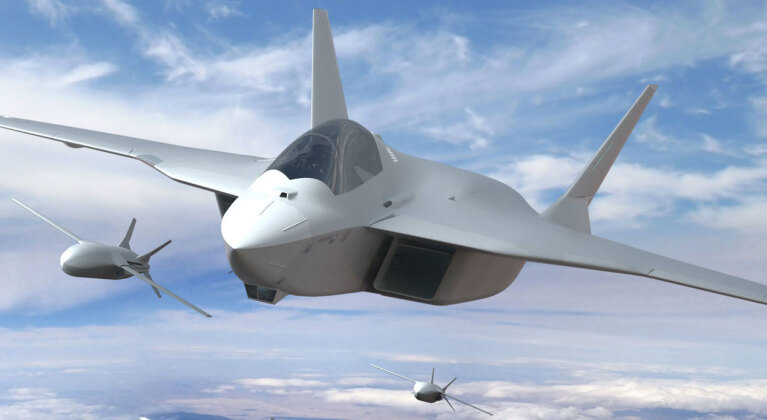
Germany has not developed a fighter fully indigenously in over 80 years since the Second World War, while the vast discrepancy between European technologies and industrial capabilities and those of China and the United States has meant that even when European states were working closely together, European states were not expected to be able to produce a fully peer level combat jets. Alternatives to the program could include gaining a workshare in the American F-47 sixth generation fighter program to produce a customised local variant, or joining the British and Japanese led Global Combat Air Program, colloquially known a the Tempest program, neither of which would be ideal solutions for local industry. Commenting on the ongoing issues with the program German Chancellor Friedrich Merz observed: “We share the assessment that the current situation is unsatisfactory. We are not advancing with this project.” “We are both speaking with the French government, and we want a solution as soon as possible,” he added.
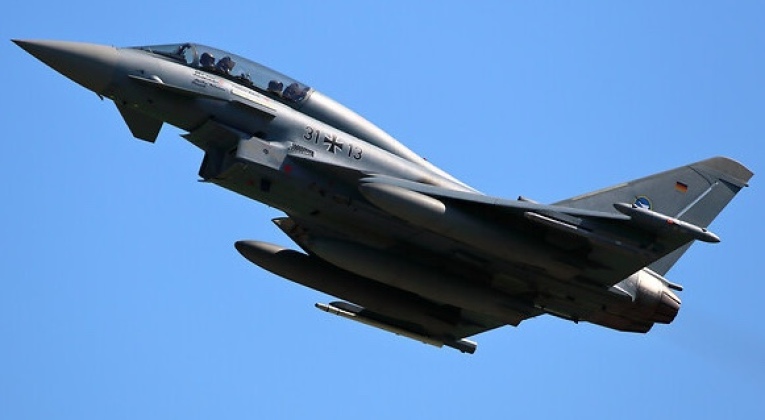
Repots of major disagreements between France and Germany on the future of the FCAS program first emerged in June, although the program’s viability had been in serious question for years beforehand. Disagreements have caused major delays to the ongoing technology development phase, marking the latest of several cases of infighting hampering progress. Commenting on the issue, head of air power at Airbus Defence and Space Jean-Brice Dumont stated in June: “Clearly, we have observed with this phase, difficulties in the execution and facing the problem there are different ways to look at it, different types of problem statements. We have to go faster. I think that’s one key motto of the program. We have to accelerate.” While “we are not stopping, we are reflecting on how to do it differently to ensure that we meet the scheduled objectives that the nations have set us,” he added. Dumont cited issues with “connectivity, interoperability” as primary factors that were holding back progress.
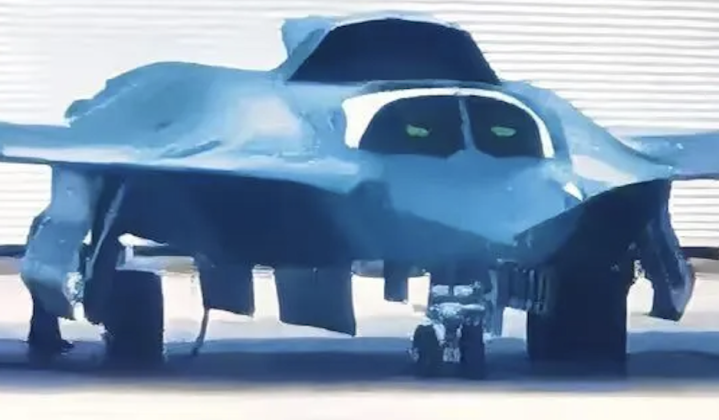
The FCAS program is not expected to produce a fighter for over two decades, with Dassault CEO Eric Trappier having observed regarding as early as 2021 that “[The target of] 2040 is already missed, because we already stall, and the discussions of the next phase will surely also be long... so we rather aim for the 2050s.” The European stealth fighter is thus expected to enter service around 20 years behind American and Chinese sixth generation fighters, and potentially even later. The discrepancy between European fighter capabilities and those of China and the United States have continued to grow rapidly, with China making considerable progress towards fielding the world’s first sixth generation fighter, and having unveiled two separate fighter classes from the next generation both in flight testing stages in December 2024. This led the United States to more strongly prioritise the development of the F-47, with efforts underway to ensure it enters service within five years of its Chinese rivals.
Highlighting the currently position of the European fighter industry the French Rafale, which is currently widely considered the most capable European fighter class, was notably widely reported to have been defeated in air-to-air engagements in May 2025 by Pakistan Air Force J-10C fighters supplied by China, which are considered at the lower end of the Chinese arsenal. The discrepancy in capabilities between current European fighters and their most capable U.S. and Chinese counterparts such as the fifth generation F-35 and J-20 is considered particularly wide, with the F-35 having been favoured over its European counterparts by a significant margin in every tender in which it has competed. Moreover, advanced American fourth generation fighters such as the F-18E/F, F-16E/F and F-15 have consistently been evaluated more favourably by potential clients such as South Korea, Singapore, Finland and the United Arab Emirates when compared to their European competitors. European fighters, and in particular the Rafale, have been able to gain export orders due primarily to a combination of two factors, including intense political and economic pressure on clients worldwide not to procure competing Chinese or Russian aircraft, and significant restrictions imposed by the United States on how its fighters can be utilised, with the much greater autonomy which France grants its clients being a significant factor in its favour.


Δεν υπάρχουν σχόλια :
Δημοσίευση σχολίου